
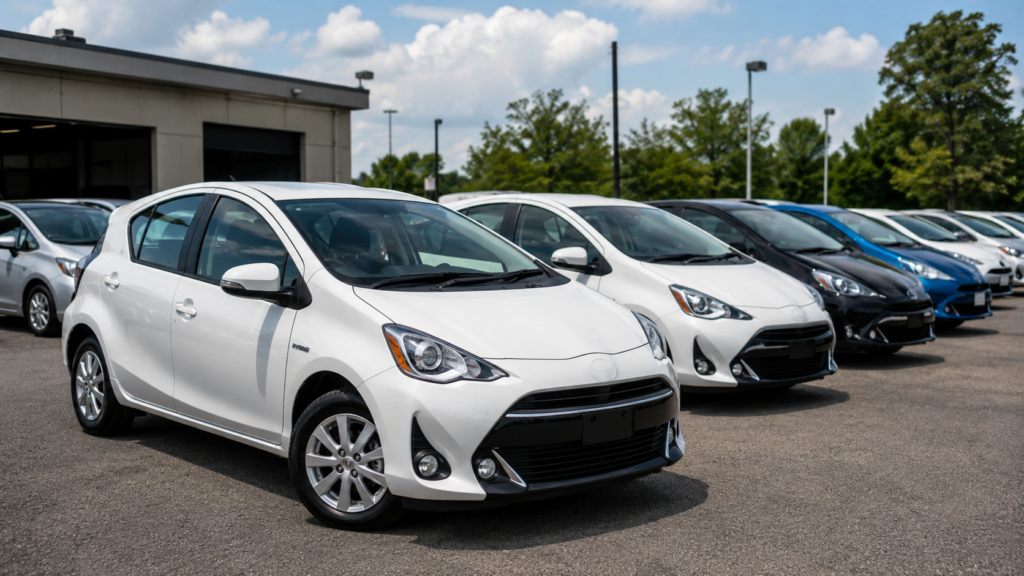
The used import market is changing, and hybrid vehicles are becoming a bigger part of that shift. Buyers who once focused mostly on performance icons, diesel utility vehicles, or older gas-powered imports are now paying closer attention to hybrid models. In many cases, they are looking for a mix of fuel efficiency, everyday practicality, and lower running costs without giving up the appeal of an imported vehicle.
Hybrid import cars are not just adding another option to the market. They are changing what many buyers value. Instead of focusing only on rarity or horsepower, more shoppers are comparing long-term fuel use, battery condition, daily drivability, and ownership costs. That shift is starting to influence which vehicles get imported, how dealers market them, and what first-time buyers research before making a decision.
Why Hybrid Imports Are Getting More Attention
Fuel prices, urban driving patterns, and growing buyer awareness around efficiency have all helped make hybrids more attractive in the broader automotive market. That same trend is now showing up more clearly in imported vehicles as well. Buyers who want an imported car are not always chasing a weekend toy. Many want something practical enough for regular use, and hybrids fit that goal well.
Another reason is model variety. Japanese automakers spent years building strong reputations in hybrid technology, which means the used import market now includes a wider range of hybrid hatchbacks, sedans, vans, and crossovers. For buyers who want something efficient but still distinct from the average local used car, that creates more room to shop.
Why More Buyers Are Looking At Hybrid Imports
 One reason hybrid imports stand out is that they often offer a blend of efficiency and equipment that buyers may find appealing in the used market. Many imported hybrids come from manufacturers with long-established hybrid platforms, especially in Japan. That gives buyers access to vehicles shaped by years of development rather than a brand-new experiment in fuel-saving technology.
Buyer research habits are also changing. Instead of asking only whether the vehicle is legal to import or rare enough to stand out, people are increasingly asking whether the car makes sense as an everyday purchase. That change matters because it shifts demand toward vehicles that are easier to live with over time.
What This Means For The Used Import Market
As demand for efficient daily drivers grows, hybrid imports are starting to compete more directly with traditional gas-powered used imports. Buyers who might once have chosen an older non-hybrid hatchback or sedan are now comparing those options against imported hybrids with better fuel economy and newer technology. That can change the pricing, availability, and appeal of the vehicles entering the market.
It may also influence dealer strategy. Sellers who once highlighted performance, styling, or rarity may now put more emphasis on efficiency, commuting value, and practical ownership. In other words, the market conversation is broadening. Imported cars are no longer viewed only as enthusiast purchases. In some cases, they are being evaluated as serious daily-driver alternatives.
If you are still comparing overall import costs, our post on Is It Cheaper to Import a Car? Breaking Down the Costs can help frame the bigger financial picture.
Hybrid Imports Appeal To A Different Kind Of Buyer
Traditional enthusiast imports still matter, but hybrid models often attract buyers with a different goal. Some want lower fuel use for commuting. Some want a smaller environmental footprint without moving fully into an electric vehicle. Others simply want an import that feels modern, sensible, and easy to live with.
This matters because demand shapes inventory. When more buyers value efficiency and practicality, dealers and importers may respond by sourcing more hybrid vehicles that fit those priorities.
Battery Health Is Now A Bigger Part Of The Conversation
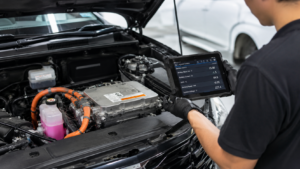
One of the biggest differences between hybrid imports and conventional used imports is that battery condition becomes a much more important part of the buying decision. Buyers are no longer evaluating only mileage, paint, rust, accident history, and service records. They also need to think about hybrid battery age, charging behavior, system warnings, and possible replacement costs.
That does not mean hybrid imports should be avoided. It means the checklist changes. A hybrid may still be an excellent purchase, but buyers need to ask better questions and look for stronger evidence of condition before moving forward.
Why Battery Research Matters
Battery condition can affect real-world value in ways that are easy to underestimate. A hybrid with strong fuel economy and attractive pricing may look like a great deal, but the ownership picture changes if the battery system is weak or if diagnostic history is unclear. This is why buyers should not treat hybrid imports exactly like older gas-only imports.
Our post on How to Identify a Quality Imported Car Before Buying remains relevant here, but hybrid vehicles add another layer that deserves specific attention.
How Hybrid Imports Are Affecting The Wider Used Market
 As hybrid imports become more common, they may start changing expectations across the entire used import market. Buyers comparing two imported vehicles in a similar price range may now ask why they should choose an older gas-only model if a hybrid alternative offers better efficiency and a more modern ownership experience. That may place pressure on some traditional used imports, especially those that were previously valued mostly for practicality.
At the same time, hybrid imports may create stronger segmentation in the market. Pure enthusiast vehicles will likely keep their place, but everyday used imports may be judged more heavily on economy, running costs, and ease of ownership than before. That is a meaningful shift in how imported cars are evaluated.
Not Every Hybrid Import Is Automatically A Better Buy
It is still important to avoid oversimplifying the trend. Not every hybrid import is a smart purchase, and not every traditional import becomes less attractive because hybrids are gaining attention. Condition, legality, parts support, documentation, and intended use still matter. A well-kept conventional import may be a much better fit than a poorly documented hybrid with unclear battery history.
That is why market trends should guide research, not replace it.
Paperwork And Verification Still Matter
Hybrid imports may change the buying conversation, but they do not remove the need for good paperwork and careful verification. Buyers should still review VIN or chassis details, title and import records, and supporting documents before buying. Those basics remain important whether the vehicle is hybrid, gas-only, or diesel.
If you are researching a specific car, our post on How To Verify An Imported Car’s VIN Recall History And Paperwork is a useful companion. For Japanese listings, How To Read A Japanese Auction Sheet Before Buying An Import Car can also help buyers understand condition details before committing.
What Buyers Should Ask Before Choosing A Hybrid Import
- How old is the hybrid battery, and is there documented system history?
- Are there warning lights, diagnostic reports, or performance issues noted?
- Does the vehicle have clear paperwork and consistent identification numbers?
- Is the model known for good long-term reliability and parts support?
- Will the car be used mainly for commuting, occasional driving, or enthusiast ownership?
- Does the price still make sense once likely maintenance costs are considered?
These questions help buyers move beyond hype and judge whether the hybrid advantage is real for their needs.
Helpful External Resources For Research
Buyers researching hybrid imports should also use official and manufacturer-facing resources where possible. The NHTSA recall lookup tool and NHTSA VIN decoder may help with vehicle identification and available safety information. Buyers in the United States should also review NHTSA’s importing guidance and EPA vehicle import guidance when evaluating eligibility and import requirements.
Final Thoughts
Hybrid import cars are changing the used import market because they bring a different mix of priorities into the buying process. Efficiency, battery health, commuting value, and modern practicality are becoming more important alongside the traditional factors of condition, rarity, and price. That does not eliminate the appeal of other imports, but it does change how many buyers compare their options.
For some shoppers, a hybrid import may be the right balance of efficiency and distinction. For others, a conventional import will still make more sense. The key is to understand how the market is shifting, then research the specific vehicle carefully before making a decision. Buyers who do that are more likely to choose an imported car that fits both their budget and the way they actually plan to drive it.