
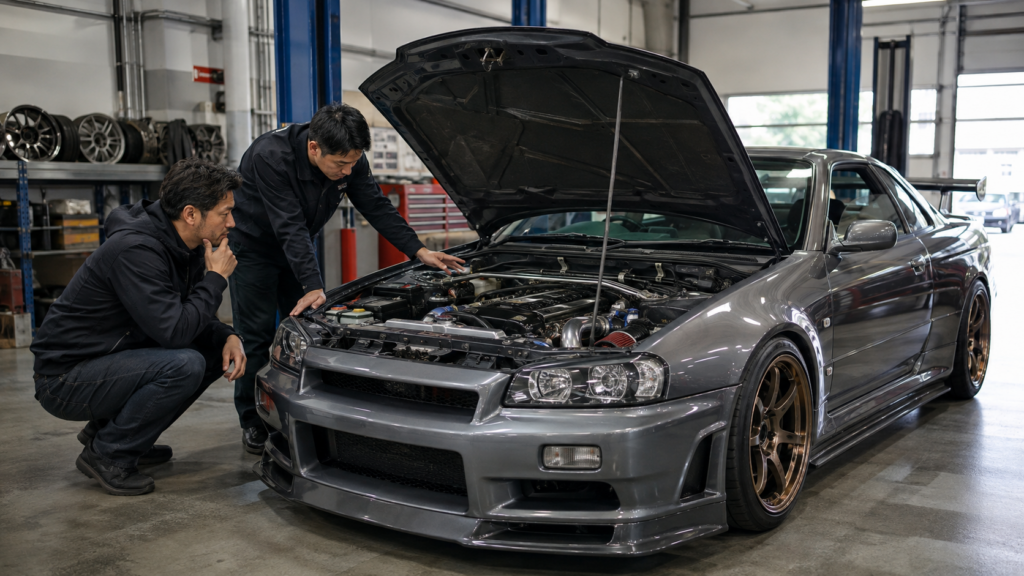
Importing a performance car can already require more research than buying an ordinary used vehicle, but the process becomes even more important when the car has been modified. Aftermarket turbochargers, suspension changes, exhaust systems, engine tuning, larger wheels, upgraded brakes, and body modifications may make a vehicle more appealing to enthusiasts, but they can also introduce mechanical, documentation, emissions, and compliance questions that deserve attention before money changes hands.
For buyers considering importing a modified performance car, the goal should not simply be finding the vehicle with the longest modification list. A well-maintained car with carefully installed upgrades and good documentation may be much more desirable than a heavily modified example with unknown tuning, missing factory equipment, or unclear service history. Understanding what has been changed, why it was changed, and whether those changes affect the import process can help buyers make a more informed decision.
Why Modified Import Cars Need More Research
A factory vehicle gives buyers a relatively clear starting point. Its engine, emissions equipment, suspension, braking system, and safety components were originally designed to work together. Once significant aftermarket modifications are introduced, that baseline changes.
A turbocharger may have been upgraded. The engine control unit may have been tuned. The suspension may sit much lower than factory height. Emissions equipment may have been replaced or removed. Wheels and tires may differ dramatically from factory specifications. None of these changes automatically makes a car undesirable, but each one gives the buyer another area to investigate.
Before evaluating modifications, it is also useful to assess the overall condition of the vehicle. Our guide on how to identify a quality imported car before buying covers many of the general condition checks that remain important whether the car is stock or modified.
Start With A Complete Modification List
Ask the seller, exporter, or broker for a written list of known modifications. Do not rely entirely on photographs. Some important changes are difficult to identify visually, especially ECU tuning, fuel-system upgrades, internal engine work, transmission modifications, differential changes, or removed emissions equipment.
Ideally, the records should identify the manufacturer of major aftermarket parts and explain when the work was completed. Receipts, workshop invoices, dyno sheets, installation documents, and previous maintenance records can all help build a clearer picture of the vehicle.
A long list of brand-name parts does not guarantee quality. Installation and tuning matter just as much as the components themselves.
Engine And Turbo Modifications Need Extra Attention
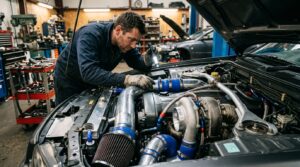 Engine modifications are often the biggest attraction on a performance import, but they can also create the greatest mechanical uncertainty. Increased boost pressure, larger turbochargers, upgraded injectors, aftermarket fuel pumps, modified intercoolers, intake systems, and ECU tuning can significantly change how the engine operates.
Ask whether the vehicle still has its original engine and whether internal components have been changed. If the engine has been rebuilt, determine who performed the work and whether documentation exists. Compression or leak-down testing may also provide useful information when evaluating a highly modified engine.
Buyers should also look closely for oil leaks, coolant leaks, damaged hoses, improvised wiring, loose fittings, excessive smoke, unusual engine noise, or evidence of overheating.
Ask About ECU Tuning
Modern performance modifications often depend heavily on electronic tuning. A vehicle may have an aftermarket ECU, piggyback controller, flash tune, boost controller, or custom engine management system.
Ask who performed the tuning and whether a copy of the tune or dyno documentation is available. A professionally tuned vehicle with supporting records is easier to evaluate than a car whose settings are unknown.
Also determine whether the vehicle can be returned to factory configuration if necessary. Missing original components may make that much more difficult or expensive.
Check Whether Emissions Equipment Has Been Changed
Performance modifications can sometimes involve catalytic converters, exhaust systems, engine computers, intake components, or other equipment related to emissions. This deserves special attention for vehicles entering the United States.
The U.S. Environmental Protection Agency provides guidance for importing vehicles and engines. EPA explains that imported vehicles generally need to meet applicable emissions requirements or qualify under an available exemption. EPA also states that modifying certified vehicles or engines in ways that affect emissions may create compliance issues.
This is one reason buyers should determine whether major factory emissions components remain on the vehicle before shipping it.
Age Does Not Mean Every Modification Is Automatically Acceptable
Buyers sometimes assume that once a vehicle reaches the age associated with federal import exemptions, every modification becomes irrelevant. The rules are more nuanced.
NHTSA generally provides a federal safety exemption for vehicles that are at least 25 years old, while EPA has separate emissions requirements and age-related provisions. EPA explains that vehicles more than 21 years old may qualify under an age-based provision when the engine is identical to or equivalent to the engine originally installed in the vehicle. Buyers considering engine swaps or major engine changes should therefore research the specific vehicle rather than assuming age solves every compliance issue. :contentReference[oaicite:1]{index=1}
Our 25-year rule guide for newly legal imports provides additional background for buyers researching older vehicles.
Inspect Suspension Brakes Wheels And Exhaust
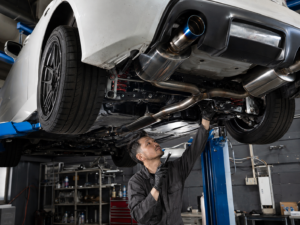 Performance cars are frequently modified below the body as well. Coilovers, lowering springs, adjustable suspension arms, larger brakes, lightweight wheels, wide tires, and aftermarket exhaust systems are common upgrades.
Inspect these changes carefully rather than treating them only as added value. A very low ride height may cause damaged underbody components. Incorrect wheel offsets can create tire rubbing or suspension interference. Cheap adjustable suspension components can wear quickly, and poorly installed brake upgrades can create serious problems.
Look for uneven tire wear, leaking dampers, cracked bushings, bent suspension arms, damaged wheel barrels, missing fasteners, unusual brake wear, and signs that the underbody has repeatedly contacted the road.
Exhaust Modifications Deserve Their Own Check
Aftermarket exhaust systems are particularly common on Japanese performance cars. Determine whether the entire exhaust has been changed or only the rear section. Ask whether the catalytic converter remains installed and whether headers, downpipes, or turbo outlet components have been replaced.
A loud exhaust may look appealing in a listing video but could become a practical problem depending on where the vehicle will ultimately be registered and driven. State and local equipment rules can differ, so buyers should research the rules that apply where they live.
Review The Auction Sheet Carefully
If the vehicle came through a Japanese auction, the auction sheet can provide useful clues about modifications and condition. Inspector notes may identify aftermarket suspension, wheels, exhaust systems, engine components, warning lights, accident repairs, or other changes.
However, auction sheets are not complete mechanical inspections. They provide useful information but should be combined with photos, videos, service records, and an independent inspection when possible.
Our detailed guide on how to read a Japanese auction sheet explains grades, inspector comments, and common condition markings in more detail.
Look For Evidence The Car Was Used Hard
Many performance cars are driven enthusiastically. That alone does not make them bad purchases, but heavily modified vehicles deserve additional scrutiny for signs of track use, repeated launches, drifting, aggressive driving, or insufficient maintenance.
Look at the tires, brakes, clutch operation, transmission behavior, differential noise, wheel bearings, and suspension components. Heat discoloration around brakes or exhaust components, unusually worn tires, repeated body repairs, and heavily worn interiors can sometimes help tell the story of how the vehicle was used.
Pay Attention To Transmission And Drivetrain Changes
Increased engine output also places greater stress on the transmission, clutch, driveshafts, differentials, axles, and cooling system.
If horsepower has increased substantially, ask whether supporting drivetrain upgrades were installed. A high-powered engine connected to a worn factory clutch or aging transmission may create expensive repairs soon after purchase.
On all-wheel-drive performance cars, mismatched tires or incorrect wheel sizes can also affect drivetrain components. Make sure the setup is appropriate for the particular model.
Original Parts Can Add Significant Value
Ask whether the factory parts removed during modification are still available. Original wheels, suspension components, intake systems, exhaust parts, engine computers, seats, steering wheels, and body panels can be surprisingly valuable.
These parts may allow the vehicle to be returned closer to stock condition later. That can be useful for maintenance, resale, troubleshooting, or compliance with local requirements.
A modified collector car that includes a complete set of factory components may also appeal to a broader group of future buyers.
Understand Federal Import Requirements Before Shipping
The legality of importing a modified vehicle depends on more than the modification list. Vehicle age, original certification, configuration, and applicable exemptions all matter.
NHTSA’s vehicle import guidance explains the federal safety requirements that apply to imported motor vehicles. NHTSA states that a vehicle less than 25 years old that was not originally manufactured and certified to meet applicable Federal Motor Vehicle Safety Standards generally cannot be permanently imported unless it has been determined eligible and the required Registered Importer process is followed. :contentReference[oaicite:2]{index=2}
For eligible nonconforming vehicles, a Registered Importer may have to perform necessary modifications and certify compliance. NHTSA also explains that such vehicles can involve a DOT conformance bond equal to 150 percent of the vehicle’s declared value. :contentReference[oaicite:3]{index=3}
EPA Rules Are Separate From NHTSA Rules
NHTSA focuses primarily on federal vehicle safety standards, while EPA oversees emissions requirements. Meeting one agency’s requirements does not automatically satisfy the other.
EPA explains that individuals importing a vehicle that does not conform to U.S. emissions requirements and does not qualify for an exemption may need to use an Independent Commercial Importer qualified for that particular vehicle. :contentReference[oaicite:4]{index=4}
Buyers should review both agencies before arranging international transport.
Factor Modifications Into The True Purchase Price
The purchase price is only part of the cost of a modified import. A car may need maintenance immediately after arrival, especially if its aftermarket components are unfamiliar, undocumented, or difficult to source in the United States.
Potential expenses can include replacement suspension parts, custom exhaust work, ECU troubleshooting, new tires, brake servicing, clutch replacement, engine tuning, emissions-related work, or returning certain components to stock.
Our guide on the real costs of importing a car can help buyers account for shipping, duties, compliance, and other expenses beyond the purchase price.
Arrange A Detailed Pre-Purchase Inspection
For a significantly modified performance vehicle, a specialist inspection can be particularly valuable. Ideally, the inspector should understand the specific model and the types of modifications installed.
A useful inspection may include the engine, turbo system, cooling system, transmission, clutch, differential, brakes, suspension, wheels, tires, underbody, electronics, and evidence of structural repair.
Photos of the underside are especially valuable because listing images often focus heavily on exterior paint, wheels, and the engine bay while providing little information about corrosion or chassis damage.
Compare The Inspection With The Seller’s Description
Pay attention to inconsistencies. If the listing describes the car as lightly modified but the inspection identifies major engine work, ask for clarification. If the auction sheet mentions modifications that are missing from the seller’s description, investigate further.
The same principle applies to paperwork. Buyers can review our guide on verifying an imported car’s VIN, recall history, and paperwork before completing the purchase.
Questions To Ask Before Buying A Modified Import
- Which parts are factory and which parts are aftermarket?
- Who installed the major modifications?
- Are installation receipts and service records available?
- Has the engine or transmission been rebuilt?
- Has the ECU been tuned, and is documentation available?
- Are the factory emissions components still installed?
- Are the original parts included with the vehicle?
- Has the vehicle been used for motorsports or track driving?
- Are there current warning lights or diagnostic trouble codes?
- Has a specialist completed a recent mechanical inspection?
Use Official Sources Before Making Import Arrangements
Buyers should confirm federal requirements directly rather than relying only on forum posts, seller claims, or old social media discussions. Useful starting points include NHTSA’s Importing a Vehicle resource, EPA’s vehicle and engine import guidance, and U.S. Customs and Border Protection’s vehicle import information.
For vehicles requiring emissions modification and certification, buyers may also review EPA information about Independent Commercial Importers.
Final Thoughts
Importing a modified performance car can be rewarding, especially when the vehicle has desirable upgrades that were installed and maintained properly. The key is separating thoughtful modifications from modifications that hide problems, create compliance questions, or introduce expensive maintenance requirements.
Start with a complete modification list and documentation. Inspect the engine, ECU, suspension, brakes, wheels, exhaust, drivetrain, and emissions-related equipment. Compare the seller’s description with the auction sheet and an independent inspection. Most importantly, research NHTSA, EPA, customs, and state requirements before the vehicle is shipped.
A carefully modified import with strong records may be an excellent enthusiast purchase. A heavily modified car with unknown tuning, missing original components, and unclear paperwork may require far more time and money than the listing price suggests. Careful research before purchase gives buyers a much clearer picture of what they are actually importing.