
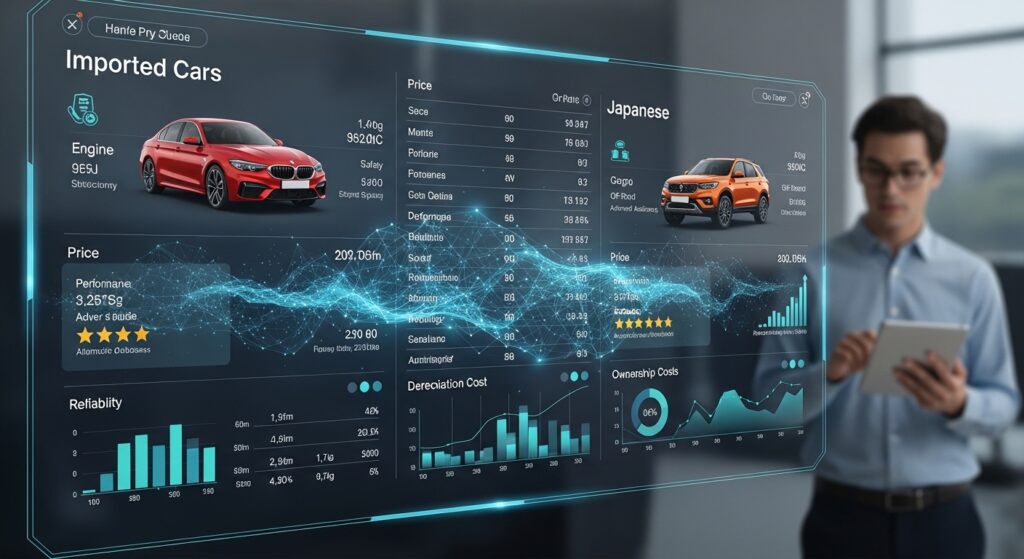
Artificial intelligence is changing the way people research, compare, inspect, and buy imported cars. What once depended heavily on guesswork, manual paperwork, and limited market visibility now involves smarter tools that can analyze pricing, predict trends, flag risks, and organize information faster than traditional methods. For buyers who want to stay ahead in the automotive world, AI has become part of the modern decision-making process.
That does not mean AI replaces experience, careful review, or trusted sources. Instead, it adds another layer of support. It can help buyers sort through listings, compare vehicle histories, understand market patterns, and identify details that might otherwise be overlooked. In a market where timing, condition, and pricing matter, that kind of support can be valuable.
For imported cars in particular, the process often involves more variables than a standard local purchase. Buyers may need to review overseas listings, compare model variants, estimate shipping costs, assess condition from photos, and evaluate whether a vehicle fits their budget and lifestyle. AI tools are making that process more manageable by turning large amounts of data into useful insights.
Why AI Matters in the Imported Car Market
The imported car market moves quickly. Prices shift based on supply, demand, exchange rates, shipping costs, model popularity, and regional regulations. Buyers are also dealing with vehicles from different countries, different trim levels, and different documentation standards. AI helps bring structure to that complexity.
Instead of spending hours comparing scattered information across multiple sources, buyers can use AI-powered platforms and smart tools to narrow options faster. These tools can identify patterns in pricing, detect unusual listing behavior, and organize technical information in a way that makes comparison easier. For buyers who want expert insights and detailed reviews before making a purchase, AI supports that goal by improving clarity.
This also fits the direction of the modern automotive industry. New vehicle technology is evolving, digital marketplaces are expanding, and buyers now expect more transparency before spending money. AI supports that shift by helping people make decisions based on more than instinct alone.
How AI Improves Vehicle Research
 One of the biggest advantages of AI is speed. Imported car buyers often compare multiple brands, body styles, model years, mileage ranges, and condition reports. Doing that manually can take a long time, especially when listings use different terms or formats. AI can help organize those details and highlight meaningful comparisons more efficiently.
For example, a buyer looking at a Japanese performance coupe, a European luxury sedan, and a compact hybrid from another market may struggle to compare them on equal terms. AI-based research tools can summarize key data points, identify market averages, and show where one option stands out from another. That does not make the final choice automatic, but it can make the early research stage much easier.
AI can also support research by helping buyers understand ownership trends. A vehicle might look attractive because of its styling or price, but the long-term picture may tell a different story. Smarter tools can help surface information about depreciation trends, recurring maintenance concerns, demand in the resale market, and the broader popularity of a model. That creates a better foundation for informed decision-making.
Smarter Pricing and Market Comparison
Pricing is one of the most confusing parts of buying an imported car. The listed price is only part of the story. Buyers may also be dealing with shipping, taxes, customs fees, inspection costs, port handling, registration expenses, and maintenance preparation after arrival. AI helps by improving the pricing conversation from the start.
Some tools can compare large numbers of listings and identify what a fair market range may look like for a specific make, model, and year. They can also recognize when a vehicle is priced unusually high or suspiciously low. That kind of comparison can help buyers avoid emotional decisions and take a more measured approach.
Another advantage is trend analysis. AI can identify whether prices for a certain type of imported car are rising, stabilizing, or softening. That matters because timing affects value. A buyer interested in a specific segment, such as luxury imports, collector models, or practical daily drivers, may benefit from understanding whether they are entering the market at a favorable moment.
If your readers are new to the financial side of imports, you can also point them to your internal guide on whether it is cheaper to import a car, which adds useful context around real-world cost expectations.
AI and Vehicle Condition Analysis
Condition matters in every used car purchase, but it becomes even more important when the vehicle is far away and cannot be inspected in person right away. Buyers often rely on listing photos, auction sheets, seller descriptions, inspection notes, and vehicle history records. AI can help interpret some of that material more effectively.
 Image analysis tools are becoming better at spotting visible inconsistencies in body panels, paint finish, interior wear, and damage patterns. A photo that looks clean at first glance may still contain clues that suggest repairs, neglect, or hidden concerns. AI does not replace a proper inspection, but it can help buyers review visual information more critically.
This is especially useful for buyers who are not yet confident in reading listing photos on their own. Instead of depending only on seller language like “clean condition” or “excellent quality,” buyers can use smarter systems to support what they see. That makes condition assessment more practical during the early stages of vehicle selection.
Your existing article on how to identify a quality imported car before buying pairs naturally with this topic because it adds the human side of what AI may help highlight.
Reducing Risk Through Pattern Detection
Imported car buyers are often cautious for good reason. Scattered paperwork, unclear ownership history, limited seller communication, and inconsistent listing data can all create uncertainty. AI may help reduce some of that uncertainty by identifying patterns that suggest caution.
For example, if a listing includes inconsistent mileage information, duplicate photos across different sellers, or repeated wording associated with unreliable postings, AI-powered systems may detect those signals faster than a manual review. A buyer can then take a closer look before moving forward. This does not guarantee fraud prevention, but it does improve early screening.
AI can also support document matching and record checks by identifying differences between reported details and uploaded paperwork. If a chassis number, model designation, or year range does not line up correctly, a buyer may be able to catch that earlier in the process. The benefit here is not automation for its own sake. It is the ability to slow down bad decisions before money changes hands.
Helping Buyers Choose the Right Car
Not every imported car is right for every buyer. Some people want style and exclusivity. Others care more about reliability, comfort, storage space, fuel efficiency, or future resale appeal. AI can support decision-making by matching buyer priorities with available inventory in a more structured way.
If someone says they want an imported car for daily commuting, low maintenance, moderate running costs, and modern safety features, an AI-based recommendation system may help narrow the field more quickly than a broad keyword search. On the other hand, if the goal is weekend driving, collector appeal, or enthusiast ownership, the criteria change. AI helps make those differences more visible.
This decision support angle aligns closely with your brand message. Your blog is positioned around expert insights, industry trends, and informed choices. A topic like this works because it is not just about technology. It is about how technology may help readers make better buying decisions in the real world.
Where AI Supports Shipping and Logistics
Importing a car involves more than choosing a vehicle. It also means navigating shipping timelines, route planning, paperwork, and cost estimates. AI is starting to play a role in logistics by improving forecasting and operational efficiency.
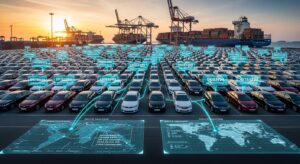 Shipping platforms and logistics systems can use AI to predict delays, estimate arrival windows, and manage route data more efficiently. This may help businesses and buyers understand when a vehicle is likely to arrive and where disruptions may happen. In an industry affected by port congestion, weather, customs processing, and changing transport schedules, better forecasting may be useful.
For your audience, that matters because a purchase decision does not stop at the listing page. Delivery timing, total landed cost, and shipping reliability all shape the ownership experience. Readers who want a broader look at transport considerations may also benefit from your post on shipping and logistics tips for high-value import cars.
AI in Customer Support and Search Tools
Another practical way AI is changing the car import space is through digital support. Buyers now expect quick answers when researching models, costs, and import steps. AI-powered chat tools, smart search filters, and recommendation engines can improve that experience by making information easier to access.
A buyer visiting an import site may want to know which model years are popular, what features to prioritize, or how a specific vehicle compares with another one. AI can organize that information quickly and present it in a more user-friendly way. That keeps the research experience moving and reduces the frustration that often comes from scattered or overly technical information.
From a content strategy perspective, this is also a good reason for your site to cover AI-related topics. Readers interested in imported cars are not only comparing vehicles anymore. They are also paying attention to how the buying process itself is evolving. Content that explains these changes can help position your blog as relevant, modern, and informed.
What AI Still Cannot Replace
Even though AI is useful, it still has limits. It depends on the quality of the data it receives. If listings are inaccurate, photos are misleading, or records are incomplete, the output may also be incomplete. Buyers still need to apply judgment and verify important information through reliable sources.
AI also does not replace real-world ownership priorities. A tool may identify a car as a strong value, but that does not mean it fits the buyer’s budget, lifestyle, road conditions, or local support network. Imported cars can vary widely in parts availability, service familiarity, and long-term maintenance needs. Human review still matters.
There is also the question of nuance. Some vehicles carry emotional value, brand identity, collector appeal, or driving character that cannot be reduced to a data model alone. Enthusiast buyers often care about details that go beyond efficiency. AI can support the research process, but it does not define what makes a car special to an individual owner.
How Buyers Can Use AI More Effectively
The best approach is to treat AI as a support tool rather than a final authority. Buyers may use it to compare options, flag unusual listings, estimate pricing ranges, and organize research. Then they can combine those insights with vehicle history checks, trusted inspections, seller communication, and practical ownership planning.
That layered approach tends to be more useful than relying on a single source. It also encourages better habits. A buyer who uses AI to narrow the field still needs to ask the right questions. Has the vehicle been maintained properly? Are replacement parts accessible? Does the condition match the price? Is the import process realistic within the available budget? Those questions remain essential.
This is where your other educational content can strengthen the article. You already have supporting posts on maintenance, value, and quality evaluation. AI becomes the new lens through which readers can revisit those core topics with a more modern perspective. You can also internally link to your broader ultimate guide to buying imported cars to keep readers exploring your site.
Why This Topic Fits the Future of Your Blog
Your page tagline highlights expert insights, industry trends, detailed reviews, and informed decisions. This topic fits that message well because it speaks directly to current automotive change without repeating your older foundational posts. It is forward-looking, practical, and connected to the real buying journey.
It also opens the door to future related content. Once you publish this piece, you can build supporting topics around electric imports, digital inspections, smart pricing tools, or future trends in cross-border vehicle buying. That helps expand your topical coverage without repeating the same beginner-focused ideas.
For a site centered on imported cars, writing about AI is not off-topic. It reflects how the market is changing and how buyers are adapting. Readers who want to stay informed about the next phase of automotive decision-making may find this subject both useful and timely.
Final Thoughts
AI is transforming the imported car market by making research faster, comparisons clearer, and early risk detection more practical. It helps buyers sort through complex information, understand price trends, review condition more carefully, and approach decisions with more structure. In a category where buyers often balance excitement with uncertainty, that support can make a meaningful difference.
At the same time, the smartest results still come from combining technology with careful judgment. AI may help organize the process, but buyers still benefit from inspections, reliable records, realistic budgeting, and a clear understanding of long-term ownership. Used thoughtfully, AI is not just a trend in the automotive world. It is becoming part of how modern buyers make smarter import decisions.
For broader reading on emerging technology, you can reference artificial intelligence basics and vehicle technology innovation.