

What is the 25-Year Import Rule?
For car enthusiasts in the United States, the start of a new year brings more than just resolutions; it unlocks a fresh wave of automotive forbidden fruit. This is all thanks to a piece of legislation known as the Imported Vehicle Safety Compliance Act of 1988. In simple terms, this federal law, often called the “25-year rule,” exempts motor vehicles that are at least 25 years old from the stringent safety and emissions standards set by the Department of Transportation (DOT) and the Environmental Protection Agency (EPA). The eligibility is determined down to the exact month and day of manufacture, making it a highly anticipated annual event for collectors and importers.
This rule effectively creates a rolling window of opportunity, allowing iconic, rare, and unique vehicles that were never originally sold in the U.S. market to be legally imported and registered for road use. It’s a gateway for enthusiasts to own a piece of automotive history, from legendary Japanese sports cars to quirky European models. Before diving into the exciting models of 2026, it is crucial to understand how to identify a quality imported car to ensure your investment is sound.
The Most Anticipated Newly Legal Imports for 2026
As the calendar rolls into 2026, vehicles manufactured in 2001 are now eligible for import. This year is particularly exciting, as it includes some of the most celebrated and sought-after models from the golden era of Japanese and European performance cars.
The JDM Legends Arrive
The term JDM, or Japanese Domestic Market, evokes images of high-revving engines, advanced technology, and timeless design. The class of 2001 brings some true heavyweights to American shores.
- Nissan Skyline GT-R (R34) M-Spec: While some R34 models have been trickling in, the 2001 M-Spec is a particularly refined version. It featured a more luxurious interior with heated leather seats and special “Ripple Control” dampers designed to provide a more comfortable ride without sacrificing the GT-R’s legendary performance.
- Mitsubishi Lancer Evolution VII: Often considered the last of the truly raw, rally-bred Evos, the Evo VII was a significant step up with its advanced active center differential. It represents a pinnacle moment for Mitsubishi’s performance division and is a must-have for rally enthusiasts.
- Honda Integra Type R (DC5): Following the iconic DC2, the DC5 Integra Type R continued the legacy with a new chassis and the powerful K20A engine. Known for its sharp handling and high-revving VTEC powertrain, it’s a front-wheel-drive masterpiece.
- Mazda RX-7 Spirit R: As the final, ultimate evolution of the FD-generation RX-7, the Spirit R is the holy grail for rotary engine fans. Produced in limited numbers, it featured Bilstein shocks, lightweight BBS wheels, and exclusive interior trim, making it the most collectible FD model.
European Exotics and Oddities
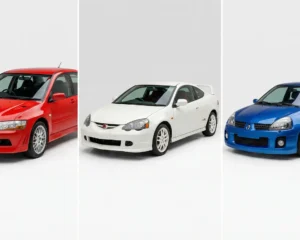
It’s not just about Japan; Europe also produced some unforgettable cars in 2001 that are now ready for import.
- Renault Clio V6: A true automotive oddity, the Clio V6 is a wild, mid-engined hot-hatch. Renault took its humble Clio, threw out the rear seats, and dropped a 3.0-liter V6 engine in their place. It’s impractical, has the turning circle of a battleship, but offers an unparalleled and thrilling driving experience.
- BMW M3 (E46): While the E46 M3 was sold in the U.S., the earliest 2001 European-spec models are now eligible. These versions often came with different options, colors, and a slightly different engine tune, making them a unique find for BMW purists.
How to Import a Car Under the 25-Year Rule
Importing a vehicle under the 25-year rule is a manageable process, but it requires careful planning and attention to detail. Following a clear, step-by-step approach is the key to a smooth experience.
Verifying Vehicle Eligibility
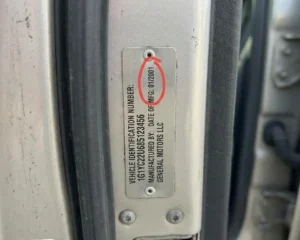
The first and most critical step is to confirm the vehicle’s manufacturing date. This is not the model year, but the specific month and year the car was produced. This information is typically found on the vehicle’s identification plate, often located in the engine bay or on the driver’s side door jamb. The car is not legal for import until the full 25 years have passed from that date.
The Importation Process
Once you’ve confirmed eligibility, the journey begins. Start by finding a reputable seller or a trusted exporter in the vehicle’s home country. They can help you inspect the car, verify its condition, and handle the local paperwork. After the purchase, you’ll need to arrange for shipping and logistics. This involves choosing between roll-on/roll-off (RoRo) or container shipping and ensuring the vehicle is properly secured for its journey across the ocean.
Navigating Customs and Paperwork
When the vehicle arrives in the U.S., you’ll need to clear it through customs. This involves submitting a specific set of documents, including EPA Form 3520-1 and DOT Form HS-7, declaring the vehicle’s exemption under the 25-year rule. It’s highly recommended to work with a licensed customs broker who is experienced in vehicle imports. They can ensure your paperwork is filed correctly and help you navigate any potential hurdles. For more detailed information, you can visit the official U.S. Customs and Border Protection (CBP) page on importing a vehicle.
Investment Potential of Newly Legal Imports
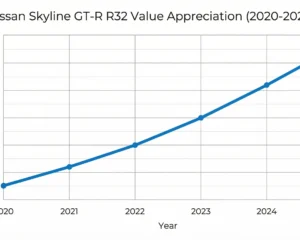
Importing a 25-year-old car is more than just acquiring a new toy; it can also be a savvy financial investment. The market for collector cars, particularly those from the 80s and 90s, has seen remarkable growth. When a new class of desirable cars becomes legal for import into the massive U.S. market, the sudden surge in demand often causes prices to appreciate significantly. We’ve seen this pattern with cars like the R32 and R33 Nissan Skyline GT-Rs, which have more than doubled in value over the past five years.
These vehicles are not just used cars; they are cultural icons with a dedicated following. As the supply of clean, low-mileage examples is finite, their value is likely to continue climbing. For those looking to understand the market better, resources like the Hagerty Valuation Tools provide excellent data on collector car market trends. By choosing the right model and maintaining it well, your newly imported car could be an asset that you can enjoy on the road and in your investment portfolio.